
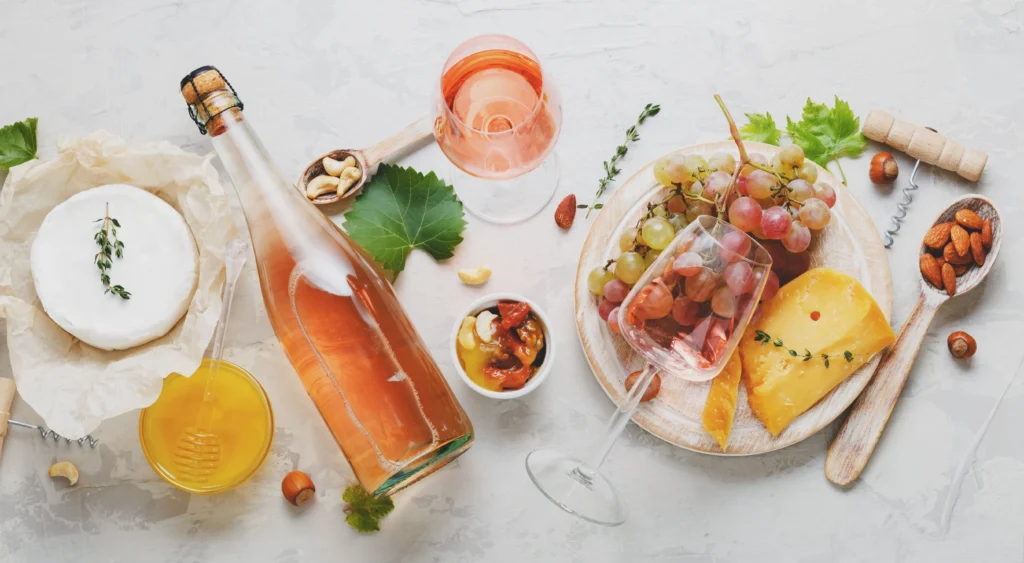
Wine has a remarkable way of transforming a meal. A simple bite of cheese feels creamier, a steak tastes richer, and even a piece of dark chocolate can seem more decadent when paired with the right pour. But why does wine have such a powerful influence on how we experience food? The answer lies in a fascinating blend of psychology, chemistry, and sensory science.
Let’s explore the psychology of sipping—and how a glass of wine can change everything you taste.
👅 1. Wine Primes Your Palate
Before you even take a sip, your brain is already preparing for flavour. The aroma of wine—often bursting with notes of fruit, flowers, spice, or oak—activates the brain’s limbic system, which is responsible for memory and emotion.
This anticipation alone can elevate your sensory experience. Your palate becomes more alert, and food tastes more intense and enjoyable. Essentially, wine “warms up” your senses.
🎨 2. Expectation Shapes Perception
Psychologists have shown that what we expect to taste can influence what we actually taste. Wine often carries an aura of sophistication, pleasure, and relaxation. This mindset shifts how we perceive flavours.
If you expect a wine to enhance your meal, your brain works harder to find harmony—and often succeeds.
This is why:
A rich red can make a hearty dish feel more comforting
A crisp white can make seafood taste fresher
A sweet wine can soften spicy flavours
Your brain is as involved as your taste buds.
👃 3. Aroma + Taste = Flavour Explosion
Up to 80% of what we call “taste” is actually smell. Wine is incredibly aromatic, with hundreds of volatile compounds that interact with the nose and brain.
When wine and food meet, these aromas mingle to create entirely new sensations. For example:
A citrusy Sauvignon Blanc enhances lemony notes in fish
A vanilla-forward Chardonnay adds depth to creamy dishes
A bold Pinotage intensifies smoky or savoury elements in grilled meats
The combination multiplies flavours rather than simply adding them.

🤝 4. Contrast and Complement: The Balance Trick
Certain wines highlight food flavours through contrast. Others do so by complementing them. This psychology of balance is what makes pairing so satisfying.
Contrast examples:
Sweet wine softening salty cheese
Acidic wine cutting through rich, fatty foods
Complement examples:
Fruity reds echoing berry flavours in a sauce
Creamy whites mirroring buttery dishes
Your brain loves harmony—whether created by opposites or similarities.
😌 5. Wine Enhances the Mood—and Mood Enhances Taste
Enjoyment isn’t just physical; it’s emotional. A glass of wine can help you relax, be more present, and savour the moment. This shift in mood heightens sensory awareness and can make food taste better.
Studies show that people who feel calm, comfortable, and socially engaged rate flavours as more enjoyable. This is why a good meal shared with good company—and a good bottle of wine—feels unforgettable.
🧠 6. Memory Ties It All Together
Every sip and bite builds new flavour memories. When a wine and dish pair beautifully, your brain stores that experience. Over time, you begin to anticipate certain combinations, making them taste even better in the future.
Wine becomes part of the story of the meal—an emotional anchor that stays with you long after the glasses are emptied.
🍽️ Final Sip: Wine Is More Than a Drink—It’s a Sensory Catalyst
Wine doesn’t just accompany food—it elevates it. Through aroma, expectation, memory, and emotional connection, wine transforms everyday meals into extraordinary experiences.
So the next time you pour a glass, take a moment to notice how it changes your senses. Let your palate explore, let your mind open, and let wine work its psychological magic.
Want to Explore Our Wines.
OneGrape wines cover a wide range of tastes and occasions.
Visit our shop today to order your specially selected wines.