
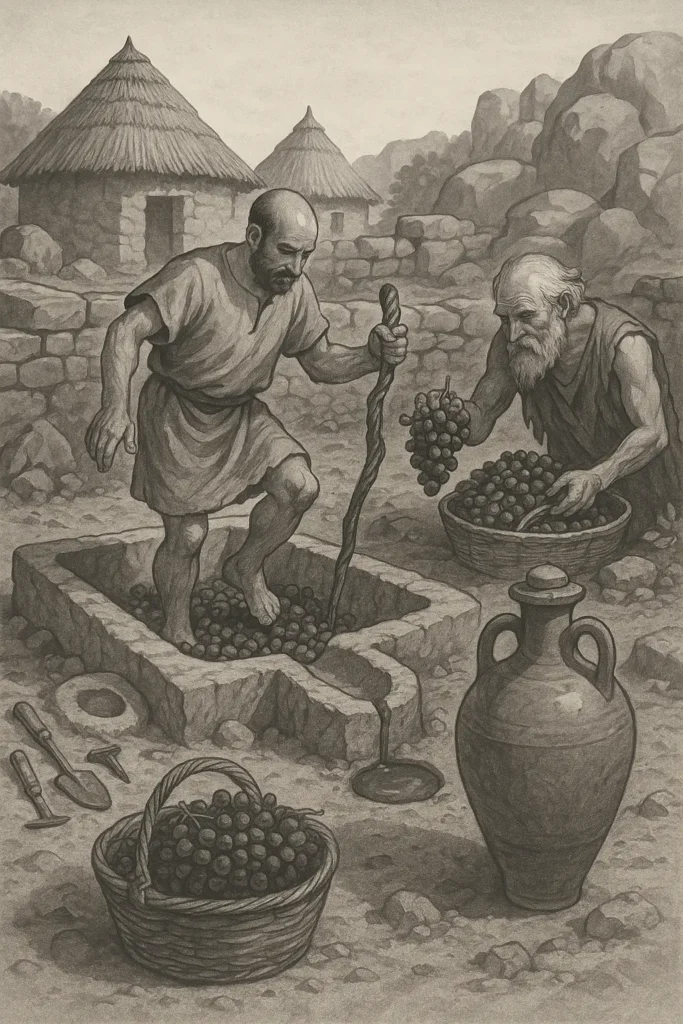
Wine has always been more than just a drink—it’s a story in a glass. Across centuries and continents, civilizations have cultivated vines and perfected the art of winemaking, leaving behind a legacy that still flows today. While modern wineries often boast cutting-edge technology and bold innovations, some of the world’s oldest wineries remind us that this craft is deeply rooted in history. These ancient vintners laid the foundation for the wine culture we enjoy now.
The Oldest Known Winery: Areni-1, Armenia
Dating back to around 4100 BC, the Areni-1 cave complex in Armenia is considered the world’s oldest known winery. Archaeologists discovered fermentation vats, grape seeds, and even ancient drinking vessels inside the cave. This discovery proved that winemaking was already a sophisticated practice over 6,000 years ago, with Armenians carefully cultivating vines in the region’s fertile valleys. Today, Armenia continues to honor this heritage with a growing wine industry that celebrates its ancient roots.
Ancient Egyptian Winemaking
Wine held a sacred place in Ancient Egypt, where it was associated with ritual, medicine, and celebration. Hieroglyphs and tomb paintings depict vineyards, grape pressing, and wine storage in clay jars called amphorae. Archaeological evidence shows that Egypt was producing wine as far back as 3000 BC, with vineyards along the Nile Delta flourishing under the hot sun. These wines were often sweet, spiced, or blended with herbs—quite different from what we drink today.
The Phoenicians: Masters of Trade and Vines
The Phoenicians, skilled sailors and merchants, played a vital role in spreading viticulture throughout the Mediterranean around 1200 BC. They not only produced wine but also transported it to regions such as Spain, Italy, and North Africa. The amphorae they used to transport wine became a symbol of trade and cultural exchange, ensuring that the tradition of winemaking spread far beyond its birthplace.

Greece and Rome: Shaping Wine Culture
The Greeks embraced wine as a symbol of hospitality and the divine. They even worshipped Dionysus, the god of wine, and held festivals in his honor. By perfecting vineyard cultivation and winemaking techniques, they passed on this knowledge to the Romans, who expanded vineyards across Europe. Rome’s innovations in barrel-making, vineyard mapping, and wine storage laid the groundwork for much of the wine culture we still follow today.
Georgia: The Birthplace of Wine
No list of ancient vintners is complete without Georgia, often referred to as the cradle of wine. Archaeological evidence suggests that wine has been produced here for more than 8,000 years. Georgians pioneered the use of qvevri—large clay vessels buried underground for fermentation and storage. This method, still in use today, produces uniquely rich and earthy wines that connect the past to the present in every sip.
Preserving a Timeless Tradition
These ancient winemaking civilizations remind us that wine is not just a product of fermentation—it’s a cultural treasure. Every vineyard and bottle carries echoes of ancient knowledge, ritual, and celebration. Modern wineries may use stainless steel tanks and scientific precision, but the heart of winemaking remains unchanged: a deep respect for the land, the vine, and the shared joy of raising a glass.
Want to Explore Our Wines.
OneGrape wines cover a wide range of tastes and occasions.
Visit our shop today to order your specially selected wines.